 Download
 Download
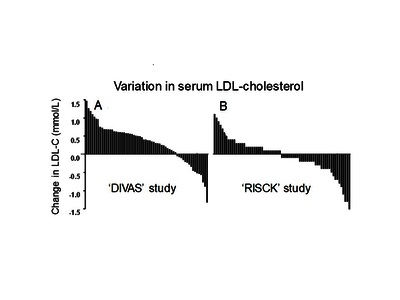
![[thumbnail of Figures 1A & 1B.jpg]](https://reading-clone.eprints-hosting.org/99743/2/Figures%201A%20%26%201B.jpg "Figures 1A & 1B.jpg")
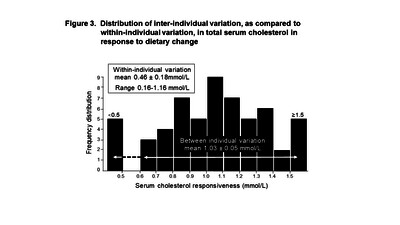
![[thumbnail of Figure 2.jpg]](https://reading-clone.eprints-hosting.org/99743/3/Figure%202.jpg "Figure 2.jpg")
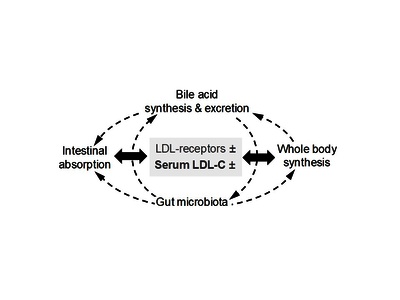
![[thumbnail of Figures 3 290321.jpg]](https://reading-clone.eprints-hosting.org/99743/4/Figures%203%20290321.jpg "Figures 3 290321.jpg")


Griffin, B. A., Mensink, R. P. and Lovegrove, J. A.  ORCID: https://orcid.org/0000-0001-7633-9455
(2021)
Does variation in serum LDL-cholesterol response to dietary fatty acids help explain the controversy over fat quality and cardiovascular disease risk?
Atherosclerosis, 328.
pp. 108-113.
ISSN 0021-9150
doi: 10.1016/j.atherosclerosis.2021.03.024
ORCID: https://orcid.org/0000-0001-7633-9455
(2021)
Does variation in serum LDL-cholesterol response to dietary fatty acids help explain the controversy over fat quality and cardiovascular disease risk?
Atherosclerosis, 328.
pp. 108-113.
ISSN 0021-9150
doi: 10.1016/j.atherosclerosis.2021.03.024
Abstract/Summary
Background and Aims: Controversy over fat quality and cardiovascular disease risk stems from a series of meta-analyses of prospective cohort and randomised intervention trials, which found little evidence for a significant relationship between the intake of saturated fat and disease endpoints. Possible explanations for these null findings include difficulties inherent in estimating true food intake, the confounding effects of macronutrient replacement and food composition, and marked inter-individual variation in the response of serum LDL-cholesterol. The aim of this narrative review was to present evidence for the existence and origins of variation in serum LDL-cholesterol response to the replacement of dietary saturated fat, and its potential to explain the controversy over the latter. Methods/Results: The review provides evidence to suggest that variation in LDL-responsiveness may harbour significant potential to confound the relationship between saturated fat and atherosclerotic cardiovascular disease risk, thus undermining the effectiveness of the dietary guideline to replace saturated fat with unsaturated fat. Conclusions: the identification and application of a simple biomarker of this phenomenon, would make it possible to tailor dietary guidelines to LDL responsive individuals, who stand to gain a greater benefit to their cardiovascular health.
Altmetric Badge
| Item Type | Article |
| URI | https://reading-clone.eprints-hosting.org/id/eprint/99743 |
| Identification Number/DOI | 10.1016/j.atherosclerosis.2021.03.024 |
| Refereed | Yes |
| Divisions | Interdisciplinary centres and themes > Institute for Cardiovascular and Metabolic Research (ICMR) Interdisciplinary Research Centres (IDRCs) > Institute for Food, Nutrition and Health (IFNH) Life Sciences > School of Chemistry, Food and Pharmacy > Department of Food and Nutritional Sciences > Human Nutrition Research Group |
| Publisher | Elsevier |
| Download/View statistics | View download statistics for this item |
Downloads
Downloads per month over past year
University Staff: Request a correction | Centaur Editors: Update this record
